HubSpot Workflow Optimization: 7 Strategies to Boost Your Marketing ROI
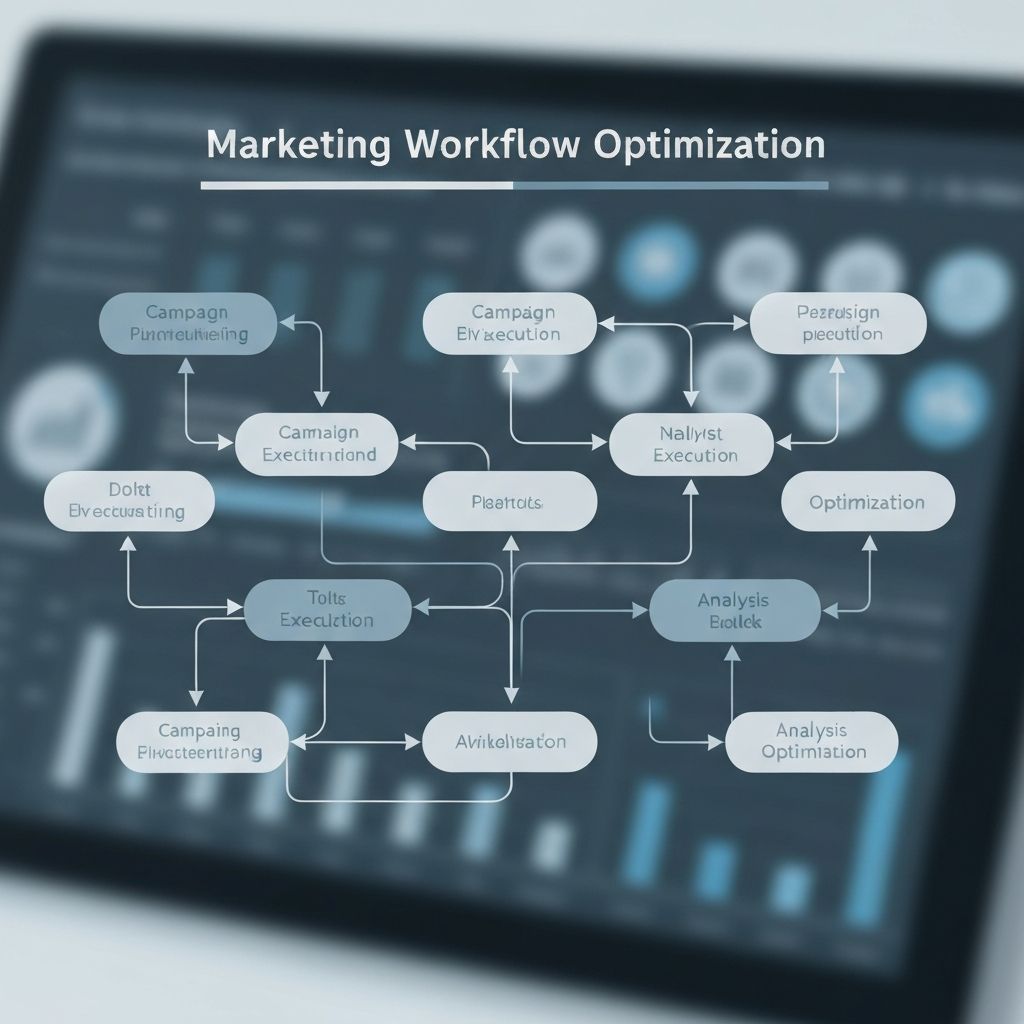
HubSpot Workflow Optimization: 7 Strategies to Boost Your Marketing ROI
Marketing workflows are the backbone of successful digital marketing campaigns. When optimized correctly, they can dramatically improve your ROI, reduce manual work, and create better customer experiences.
Why Workflow Optimization Matters
Poorly optimized workflows can cost your business:
- Wasted marketing budget on unqualified leads
- Missed opportunities due to delayed follow-ups
- Decreased team productivity
- Poor customer experience
- Lower conversion rates
Studies show that companies with optimized marketing workflows see:
- 300% increase in marketing ROI
- 50% reduction in manual tasks
- 40% improvement in lead quality
- 25% faster sales cycles
Strategy 1: Lead Scoring Optimization
The Problem
Many businesses use basic lead scoring that doesn't reflect actual buying intent, leading to sales teams wasting time on unqualified prospects.
The Solution
Implement advanced lead scoring based on:
- Behavioral data (page visits, content downloads)
- Demographic information (company size, role)
- Engagement levels (email opens, social interactions)
- Buying stage indicators (pricing page visits, demo requests)
Implementation Steps
- Analyze your closed-won deals to identify common characteristics
- Assign point values to different actions and attributes
- Set up automatic lead routing based on scores
- Regularly review and adjust scoring criteria
Expected Results
- 35% improvement in lead quality
- 20% increase in sales team efficiency
- 15% higher conversion rates
Strategy 2: Personalization at Scale
The Problem
Generic, one-size-fits-all messaging fails to resonate with different audience segments, resulting in low engagement rates.
The Solution
Create dynamic, personalized workflows that adapt content based on:
- Industry vertical
- Company size
- Job role
- Previous interactions
- Buying stage
Implementation Steps
- Segment your database by key characteristics
- Create persona-specific content variations
- Set up dynamic content rules in emails and landing pages
- Use smart content on your website
- Test and optimize personalization rules
Expected Results
- 50% increase in email engagement
- 30% improvement in conversion rates
- 25% higher customer satisfaction scores
Strategy 3: Multi-Channel Orchestration
The Problem
Disconnected campaigns across different channels create inconsistent experiences and missed opportunities.
The Solution
Create unified workflows that coordinate messaging across:
- Email marketing
- Social media
- Paid advertising
- Website personalization
- Sales outreach
Implementation Steps
- Map the customer journey across all touchpoints
- Define consistent messaging for each stage
- Set up cross-channel triggers and dependencies
- Implement unified tracking and attribution
- Create feedback loops between channels
Expected Results
- 40% increase in campaign effectiveness
- 25% improvement in customer experience
- 20% better attribution accuracy
Strategy 4: Behavioral Trigger Optimization
The Problem
Static, time-based workflows miss opportunities to engage prospects when they're most interested.
The Solution
Implement behavioral triggers that respond to real-time actions:
- Website behavior (page visits, time spent)
- Email engagement (opens, clicks, forwards)
- Content consumption (video views)
- Social media interactions
- Product usage (for SaaS companies)
Implementation Steps
- Identify high-intent behaviors in your customer journey
- Set up real-time tracking for these behaviors
- Create immediate response workflows
- Implement progressive profiling to gather more data
- Use predictive analytics to anticipate next actions
Expected Results
- 60% increase in engagement rates
- 45% improvement in lead nurturing effectiveness
- 30% faster progression through sales funnel
Strategy 5: Advanced Segmentation
The Problem
Broad audience segments result in irrelevant messaging and poor campaign performance.
The Solution
Create micro-segments based on:
- Behavioral patterns
- Engagement history
- Purchase intent signals
- Lifecycle stage
- Custom properties
Implementation Steps
- Analyze your database to identify natural segments
- Create dynamic lists that update automatically
- Develop segment-specific messaging strategies
- Set up automated workflows for each segment
- Monitor segment performance and adjust criteria
Expected Results
- 70% improvement in message relevance
- 35% increase in conversion rates
- 25% reduction in unsubscribe rates
Strategy 6: Lifecycle Stage Automation
The Problem
Manual lead management results in inconsistent follow-up and missed opportunities.
The Solution
Automate lifecycle stage progression based on:
- Engagement thresholds
- Behavioral milestones
- Time-based criteria
- Sales team input
- External data sources
Implementation Steps
- Define clear criteria for each lifecycle stage
- Set up automatic stage progression rules
- Create stage-specific nurturing campaigns
- Implement sales and marketing alignment processes
- Build reporting dashboards for stage analysis
Expected Results
- 50% improvement in lead management efficiency
- 30% increase in sales-ready leads
- 25% faster deal closure
Strategy 7: Performance Optimization and Testing
The Problem
Many workflows are set up once and never optimized, leading to declining performance over time.
The Solution
Implement continuous optimization through:
- A/B testing of workflow elements
- Performance monitoring and analysis
- Regular workflow audits
- Feedback collection and implementation
- Predictive analytics for optimization
Implementation Steps
- Establish baseline performance metrics
- Set up regular testing schedules
- Create optimization hypotheses
- Implement testing frameworks
- Document and share learnings
Expected Results
- 40% improvement in workflow performance
- 25% increase in overall marketing ROI
- 20% reduction in workflow maintenance time
Implementation Roadmap
Phase 1: Foundation (Weeks 1-2)
- Audit existing workflows
- Clean up contact database
- Set up proper tracking
- Define success metrics
Phase 2: Core Optimization (Weeks 3-6)
- Implement lead scoring
- Set up behavioral triggers
- Create advanced segments
- Launch personalization campaigns
Phase 3: Advanced Features (Weeks 7-10)
- Multi-channel orchestration
- Lifecycle automation
- Predictive analytics
- Advanced testing frameworks
Phase 4: Continuous Improvement (Ongoing)
- Regular performance reviews
- Ongoing testing and optimization
- Team training and development
- Technology updates and enhancements
Measuring Success
Track these key performance indicators:
Efficiency Metrics
- Time saved on manual tasks
- Workflow completion rates
- Error reduction percentage
- Team productivity improvements
Engagement Metrics
- Email open and click rates
- Website engagement metrics
- Content consumption rates
- Social media interactions
Conversion Metrics
- Lead-to-customer conversion rates
- Sales cycle length
- Deal size improvements
- Customer lifetime value
ROI Metrics
- Marketing qualified leads (MQLs)
- Sales qualified leads (SQLs)
- Customer acquisition cost (CAC)
- Return on marketing investment (ROMI)
Common Pitfalls to Avoid
Over-Automation
Don't automate everything - maintain human touchpoints where they add value.
Ignoring Data Quality
Poor data quality will undermine even the best workflows.
Lack of Testing
Always test workflows before full deployment.
Insufficient Monitoring
Set up alerts and regular reviews to catch issues early.
Forgetting Mobile
Ensure all workflows work seamlessly on mobile devices.
Tools and Resources
HubSpot Features to Leverage
- Workflow builder
- Smart content
- Lead scoring
- Custom properties
- Reporting dashboards
Additional Tools
- Google Analytics for behavior tracking
- Hotjar for user experience insights
- Zapier for additional integrations
- Slack for team notifications
Getting Started
Ready to optimize your HubSpot workflows? Here's your action plan:
- Audit Current State: Review existing workflows and identify improvement opportunities
- Prioritize Strategies: Choose 2-3 strategies that align with your business goals
- Create Implementation Plan: Develop a timeline and assign responsibilities
- Start Small: Begin with one workflow and expand gradually
- Monitor and Optimize: Track performance and make continuous improvements
Conclusion
HubSpot workflow optimization is not a one-time project but an ongoing process that can dramatically improve your marketing ROI. By implementing these seven strategies, you'll create more efficient, effective, and profitable marketing campaigns.
Remember: the key to success is starting with solid foundations, implementing changes gradually, and continuously optimizing based on data and results.
Need help implementing these workflow optimization strategies? Our team at HubsPlanet specializes in HubSpot workflow optimization and can help you achieve these results faster and more effectively.
Related Topics
About Yuvika Goenka
Yuvika Goenka is a contributor at HubsPlanet, sharing insights on HubSpot best practices, CRM strategies, and marketing automation to help businesses grow smarter.
Table of Contents
Stay Updated
Get the latest HubSpot tips and strategies delivered to your inbox.
Need Expert Guidance?
Get personalized recommendations from our certified HubSpot consultants.
Reading Progress
Estimated 3 minutes remaining